
Mark Carney has accused senior figures in Donald Trump's administration of behaving like internet trolls rather than serious negotiators, as a bitter trade war between the US and Canada shows no signs of cooling down.
The Canadian Prime Minister's comments came after two of Trump's cabinet secretaries appeared to take swipes at Canada's military over the past few days.
Defense Secretary Pete Hegseth posted an image on Monday night of a teenage cadet receiving a medal at a training center in British Columbia, captioning it 'This is real.'
Transport Secretary Sean Duffy went further during an August 23 appearance on Fox News Sunday, dismissing Canada outright as 'a country that doesn't have a military.'
Asked about the remarks on Tuesday, Carney didn't hold back.
'It's beneath their office,' he told reporters, before accusing Washington of prioritizing point-scoring over progress.
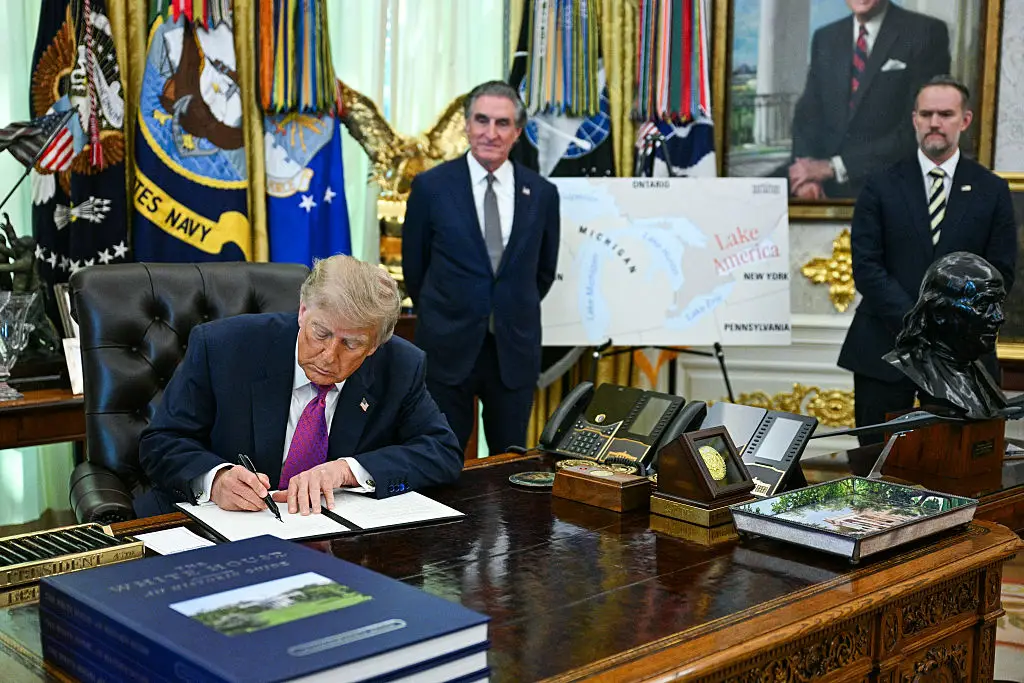 US President Donald Trump has signed an executive order that aims to rename Lake Ontario to Lake America. (Photo by Jim WATSON / AFP via Getty Images)
Mark Carney has accused senior figures in Donald Trump's administration of behaving like internet trolls rather than serious negotiators, as a bitter trade war between the US and Canada shows no signs of cooling down.
The Canadian Prime Minister's comments came after two of Trump's cabinet secretaries appeared to take swipes at Canada's military over the past few days.
Defense Secretary Pete Hegseth posted an image on Monday night of a teenage cadet receiving a medal at a training center in British Columbia, captioning it 'This is real.'
Transport Secretary Sean Duffy went further during an August 23 appearance on Fox News Sunday, dismissing Canada outright as 'a country that doesn't have a military.'
Asked about the remarks on Tuesday, Carney didn't hold back.
'It's beneath their office,' he told reporters, before accusing Washington of prioritizing point-scoring over progress.
Why are the US and Canada in a trade war?
The spat traces back to a breakdown in trade talks on August 21.
A day later, Trump slapped a 50 percent tariff on $20 billion worth of Canadian imports.
Canada hit back with its own dollar-for-dollar tariffs, set to kick in on September 8.
Trump had already needled his northern neighbor further by renaming Lake Ontario to 'Lake America' last week, shortly after Canada first announced retaliatory measures.
Carney argued the US was pushing to turn entire Canadian industrial sectors into little more than 'subsidiaries' of the American economy, while threatening to wipe out others altogether, singling out the auto sector as a particular concern.
He called the move 'misguided,' pointing out that US manufacturing itself depends heavily on cross-border supply chains.
"The United States auto industry is made stronger by the Canadian and the Mexican auto industries.
And at a time of big, big change in autos, it's important that we work together," he said.
Despite the tension, Carney insisted a deal was still within reach if Washington changed its approach.
'There's a positive opportunity that has always existed with the United States for a mutually beneficial trade deal that respects Canadian sovereignty,' he said.
'When the Americans stop doing memes, stop throwing shade, stop trying to be tough and start being serious about having those discussions, we can have those discussions.'
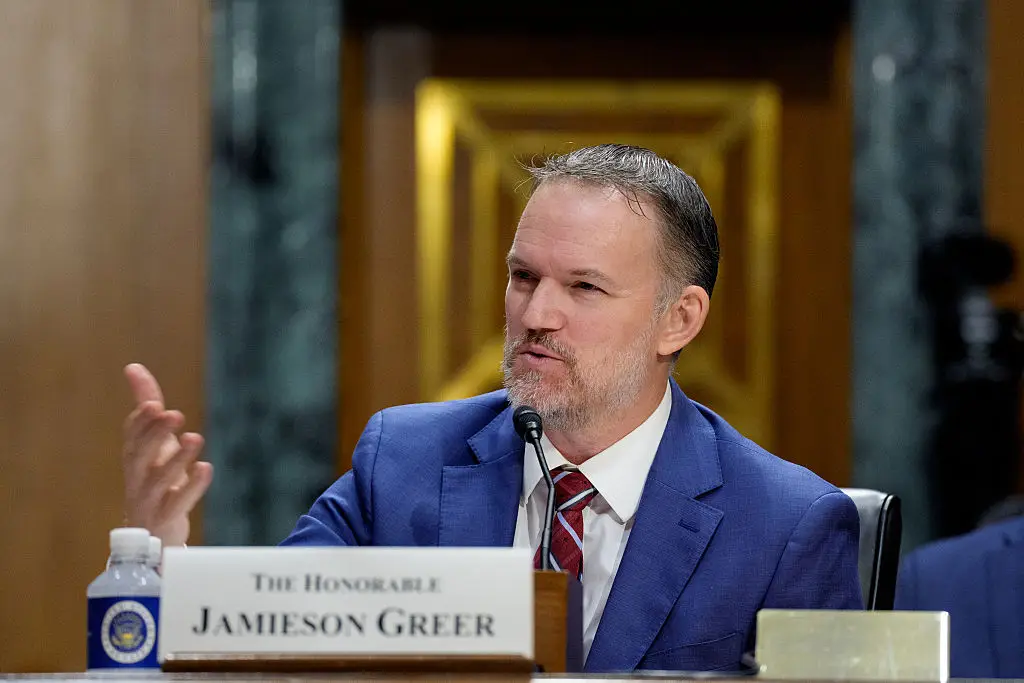 Jamieson Greer told Politico that Canada has more to lose from the impasse than the US does. (Photo by Andrew Harnik/Getty Images)
The spat traces back to a breakdown in trade talks on August 21.
A day later, Trump slapped a 50 percent tariff on $20 billion worth of Canadian imports.
Canada hit back with its own dollar-for-dollar tariffs, set to kick in on September 8.
Trump had already needled his northern neighbor further by renaming Lake Ontario to 'Lake America' last week, shortly after Canada first announced retaliatory measures.
Carney argued the US was pushing to turn entire Canadian industrial sectors into little more than 'subsidiaries' of the American economy, while threatening to wipe out others altogether, singling out the auto sector as a particular concern.
He called the move 'misguided,' pointing out that US manufacturing itself depends heavily on cross-border supply chains.
"The United States auto industry is made stronger by the Canadian and the Mexican auto industries.
And at a time of big, big change in autos, it's important that we work together," he said.
Despite the tension, Carney insisted a deal was still within reach if Washington changed its approach.
'There's a positive opportunity that has always existed with the United States for a mutually beneficial trade deal that respects Canadian sovereignty,' he said.
'When the Americans stop doing memes, stop throwing shade, stop trying to be tough and start being serious about having those discussions, we can have those discussions.'
What has the Trump administration said about the trade talks?
The White House has offered a starkly different read on the standoff.
United States Trade Representative Jamieson Greer told Politico that no negotiations are currently taking place, and suggested Canada has more to lose from the impasse than the US does. 'It's more their emergency than ours,' Greer said.
At the heart of the dispute is how far Canada is willing to restructure its economy to keep access to the US market, which absorbs the vast majority of its exports.
Trump has framed the wider standoff as part of a push to bring manufacturing back to American soil and cut the country's reliance on foreign supply chains.
UNILAD has contacted the White House and Canada's Prime Minister's Office for further comment.
Featured Image Credit: Dave Chan / AFP via Getty ImagesTopics: Donald Trump, Canada, Mark Carney, Politics
The White House has offered a starkly different read on the standoff.
United States Trade Representative Jamieson Greer told Politico that no negotiations are currently taking place, and suggested Canada has more to lose from the impasse than the US does. 'It's more their emergency than ours,' Greer said.
At the heart of the dispute is how far Canada is willing to restructure its economy to keep access to the US market, which absorbs the vast majority of its exports.
Trump has framed the wider standoff as part of a push to bring manufacturing back to American soil and cut the country's reliance on foreign supply chains.
UNILAD has contacted the White House and Canada's Prime Minister's Office for further comment.
Topics: Donald Trump, Canada, Mark Carney, Politics

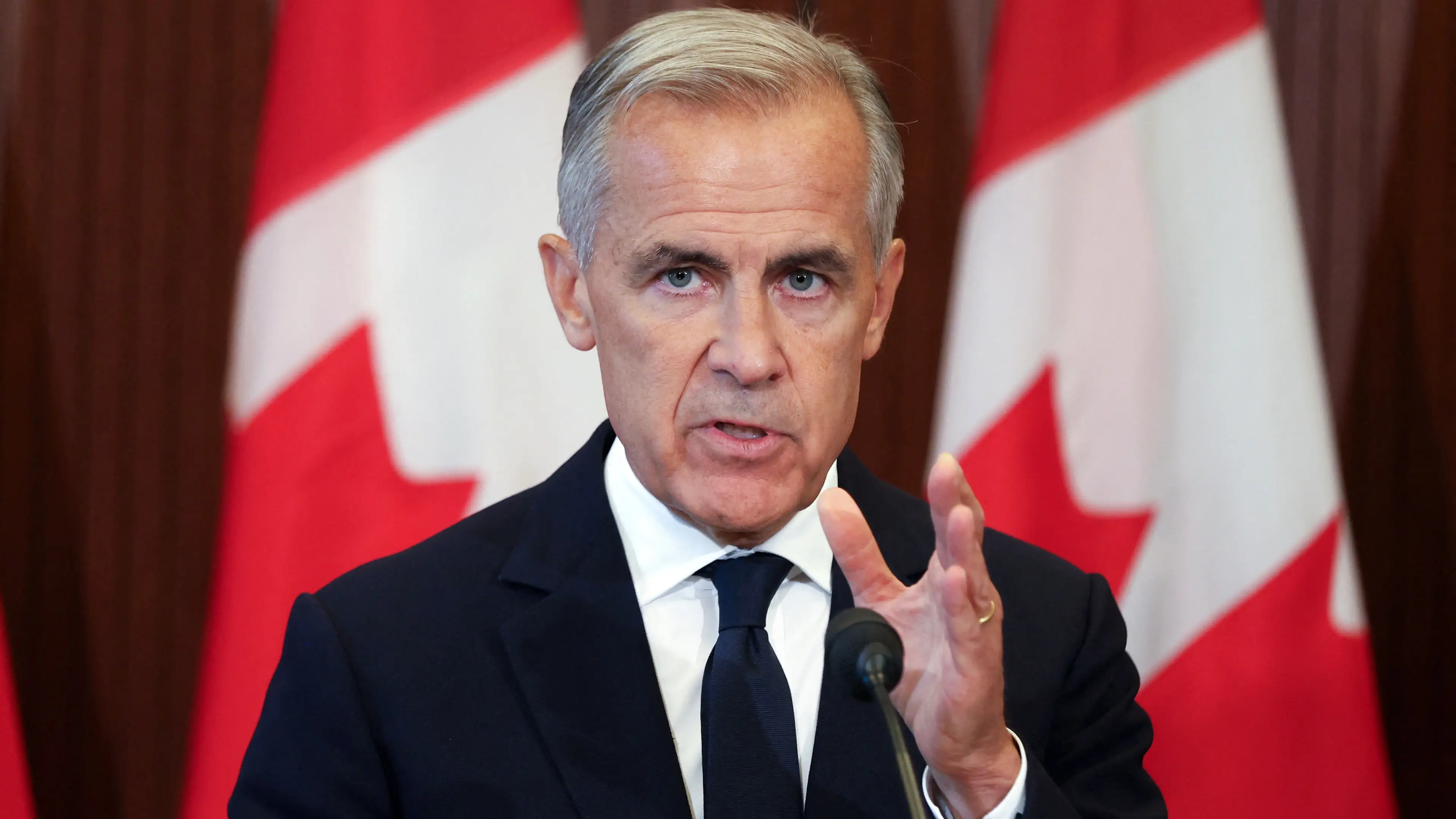
Canadian PM Mark Carney hits back at Donald Trump over 'Lake America' executive order
Canadian Prime Minister Mark Carney has issued a sharp rebuke to Donald Trump after the US president signed an executive order directing American federal agencies to rename Lake Ontario as "Lake America."
The diplomatic spat erupted following the signing in the Oval Office on Thursday, where Trump announced the unilateral renaming amid a spiraling cross-border trade dispute.
Trump framed the move around escalating trade tensions after talks broke down and both nations imposed steep tariffs on goods, vehicles, and steel, declaring: "Canada has been ripping us off for a long time on trade... They want to be treated like they’re a state and we just can’t do that anymore."
Taking to social media to respond directly to Washington's order, Carney dismissed the geographic rebranding by pointing out the deep Indigenous heritage and four-century history behind the Great Lake's real name.
"The name Lake Ontario comes from the Wendat word Ontari'io, which, appropriately, means 'the lake is beautiful, the lake is big,'" Carney said in an official statement.
"The name is more than 400 years old, predating both the Confederation of Canada and the Declaration of Independence of the United States of America," he continued.
Carney took aim at the broader shift in American trade and foreign policy under the Trump administration, referencing the White House's penchant for geographic renaming—which began with an order targeting the Gulf of Mexico.
"We know that America is changing," Carney wrote. "Their trading relationships, their foreign policies, their national monuments, their hydronyms. Canadians also know that naming reality means calling it Lake Ontario – then, now and always."
The exchange represents a sharp rhetorical escalation in an already tense standoff between Ottawa and Washington. After bilateral negotiations stalled, the US slapped 50% tariffs on tens of billions in Canadian imports, prompting Canada to retaliate with dollar-for-dollar reciprocal countermeasures.
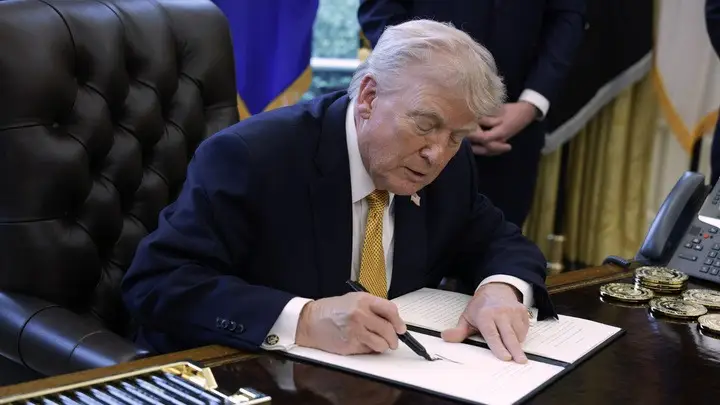 Trump officially signs order to rename Lake Ontario as tariff war escalates further (Alex Wong/Getty Images)
During his Oval Office press conference, Trump went even further, floating the idea of renaming the Atlantic and Pacific oceans next, telling reporters: "We have a gulf and we have a lake. Now all we need is an ocean. Maybe we’ll have to change the name of the Atlantic and/or the Pacific. Maybe we’ll change them both."
Despite the US executive order directing the Department of the Interior and domestic federal databases to update their records within 30 days, international cartographers, Canadian officials, and global maritime bodies maintain that unilateral domestic declarations carry no legal weight over international border waterways.
Featured Image Credit: Dave Chan / AFP via Getty ImagesTopics: US News, Canada, Donald Trump, Mark Carney

Canadian Prime Minister Mark Carney has issued a sharp rebuke to Donald Trump after the US president signed an executive order directing American federal agencies to rename Lake Ontario as "Lake America."
The diplomatic spat erupted following the signing in the Oval Office on Thursday, where Trump announced the unilateral renaming amid a spiraling cross-border trade dispute.
Trump framed the move around escalating trade tensions after talks broke down and both nations imposed steep tariffs on goods, vehicles, and steel, declaring: "Canada has been ripping us off for a long time on trade... They want to be treated like they’re a state and we just can’t do that anymore."
Taking to social media to respond directly to Washington's order, Carney dismissed the geographic rebranding by pointing out the deep Indigenous heritage and four-century history behind the Great Lake's real name.

"The name Lake Ontario comes from the Wendat word Ontari'io, which, appropriately, means 'the lake is beautiful, the lake is big,'" Carney said in an official statement.
"The name is more than 400 years old, predating both the Confederation of Canada and the Declaration of Independence of the United States of America," he continued.
Carney took aim at the broader shift in American trade and foreign policy under the Trump administration, referencing the White House's penchant for geographic renaming—which began with an order targeting the Gulf of Mexico.
"We know that America is changing," Carney wrote. "Their trading relationships, their foreign policies, their national monuments, their hydronyms. Canadians also know that naming reality means calling it Lake Ontario – then, now and always."
The exchange represents a sharp rhetorical escalation in an already tense standoff between Ottawa and Washington. After bilateral negotiations stalled, the US slapped 50% tariffs on tens of billions in Canadian imports, prompting Canada to retaliate with dollar-for-dollar reciprocal countermeasures.
During his Oval Office press conference, Trump went even further, floating the idea of renaming the Atlantic and Pacific oceans next, telling reporters: "We have a gulf and we have a lake. Now all we need is an ocean. Maybe we’ll have to change the name of the Atlantic and/or the Pacific. Maybe we’ll change them both."
Despite the US executive order directing the Department of the Interior and domestic federal databases to update their records within 30 days, international cartographers, Canadian officials, and global maritime bodies maintain that unilateral domestic declarations carry no legal weight over international border waterways.
Topics: US News, Canada, Donald Trump, Mark Carney
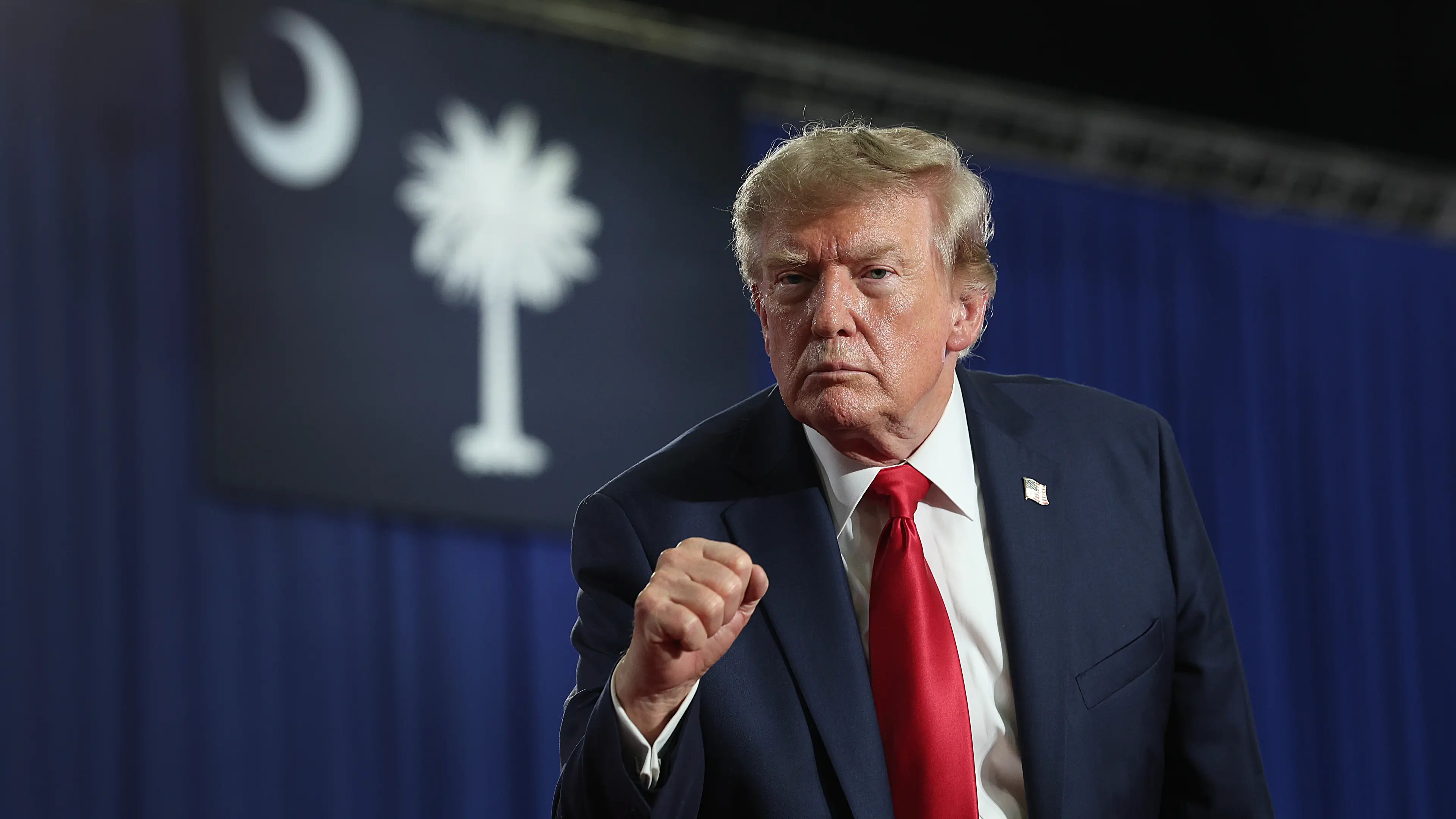
Trump accuses 'entitled' Canada of 'ripping off US' as he escalates trade war even further
President Donald Trump has threatened to raise tariffs on Canadian cars, trucks, auto parts and steel to 50% from January 1, 2027, in a fresh escalation of the US-Canada trade war.
Trump made the announcement on Truth Social, where he accused Canada of 'ripping off the United States of America' and claimed the country had created a $60 billion trade deficit.
"On January First, 2027, Tariffs on all Cars, Trucks, both large and small, Automotive Parts, and Steel, will be increased to 50%," Trump wrote.
The president also said products built in the US would face 'ZERO TARIFFS' and declared: "Canada will be treated like a State no longer!"
The threat came after trade negotiations between the two countries broke down, with a fresh wave of US tariffs on Canadian goods coming into effect following the collapse in talks.
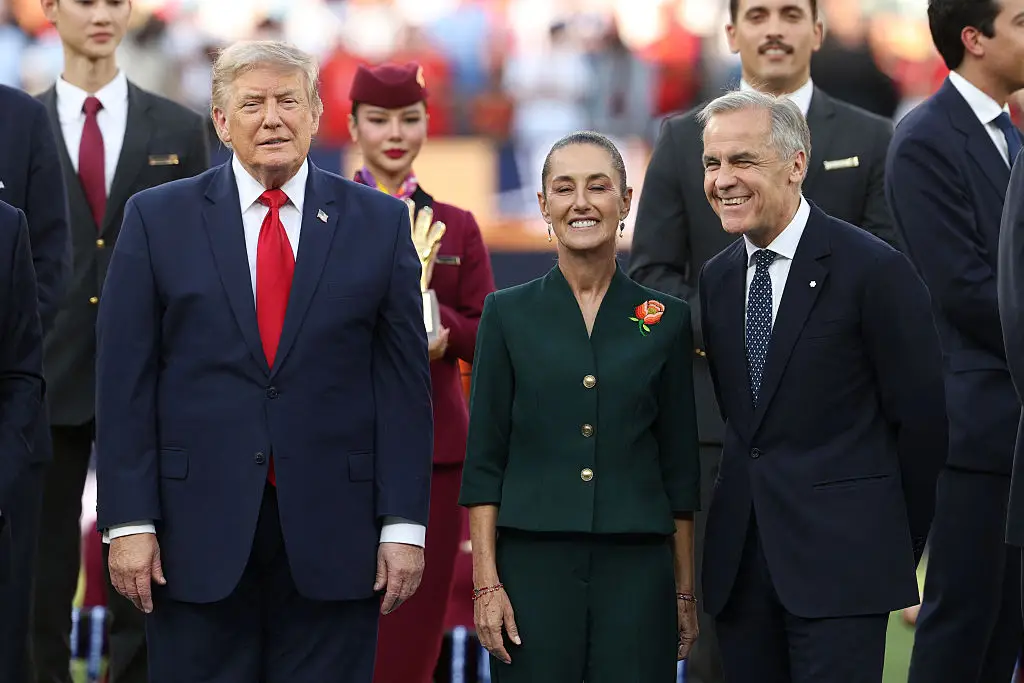 Donald Trump has threatened to raise tariffs on Canadian cars, trucks, auto parts and steel to 50% from January 1, 2027. (Photo by Odd ANDERSEN / AFP via Getty Images)
President Donald Trump has threatened to raise tariffs on Canadian cars, trucks, auto parts and steel to 50% from January 1, 2027, in a fresh escalation of the US-Canada trade war.
Trump made the announcement on Truth Social, where he accused Canada of 'ripping off the United States of America' and claimed the country had created a $60 billion trade deficit.
"On January First, 2027, Tariffs on all Cars, Trucks, both large and small, Automotive Parts, and Steel, will be increased to 50%," Trump wrote.
The president also said products built in the US would face 'ZERO TARIFFS' and declared: "Canada will be treated like a State no longer!"
The threat came after trade negotiations between the two countries broke down, with a fresh wave of US tariffs on Canadian goods coming into effect following the collapse in talks.
Why did US-Canada trade talks collapse?
The BBC reported that the two countries had been engaged in intense negotiations since July, after Trump threatened to impose a 50% levy on almost $20 billion worth of Canadian imports.
Trump had temporarily paused those tariffs earlier this week, saying the US and Canada were close to reaching a deal that would be 'very good' for both countries.
But the negotiations fell apart shortly before a Friday night deadline.
Canadian Prime Minister Mark Carney said 'important progress' had been made, but it was 'not enough to meet our objectives for Canadians.'
"As a result, this evening, I have decided to suspend trade negotiations with the US and have directed negotiators to return to Ottawa," Carney said.
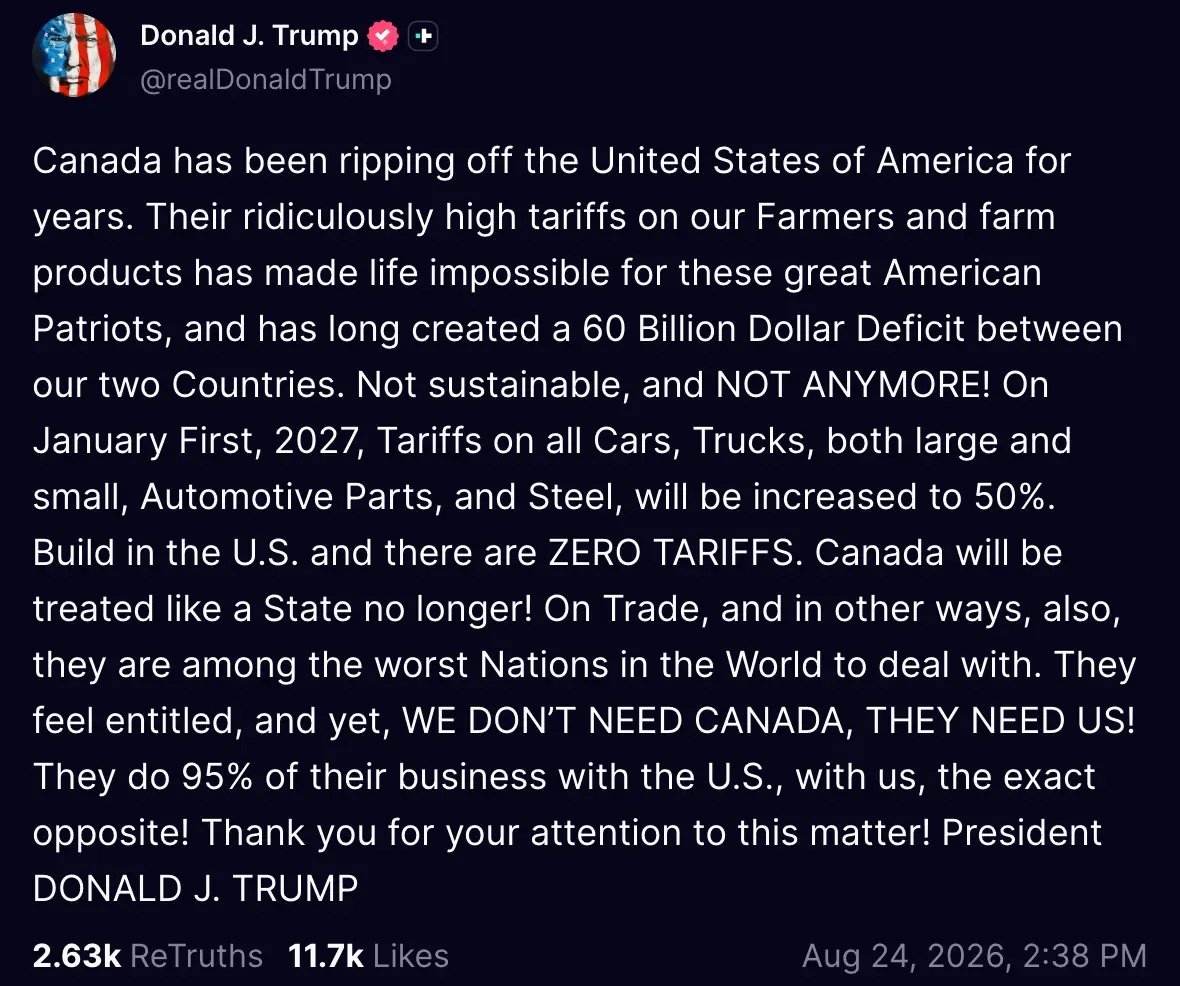 Trump accused Canada of "ripping off the United States of America" in a Truth Social post. (Donald Trump/Truth Social)
He described last-minute changes to the US proposals as 'unfair" and 'uneconomic' and said they called into question the reliability of any potential agreement.
US Trade Representative Jamieson Greer offered a different account, saying Canada had declined to finalize a deal under terms agreed earlier in the week.
Before the talks collapsed, negotiators had reportedly been discussing a deal that would have reduced US tariffs on Canadian steel and aluminum from 50% to 25%, while lowering tariffs on Canadian autos from 25% to 15%.
In exchange, Carney had asked Canadian provinces to restore US alcohol products to store shelves.
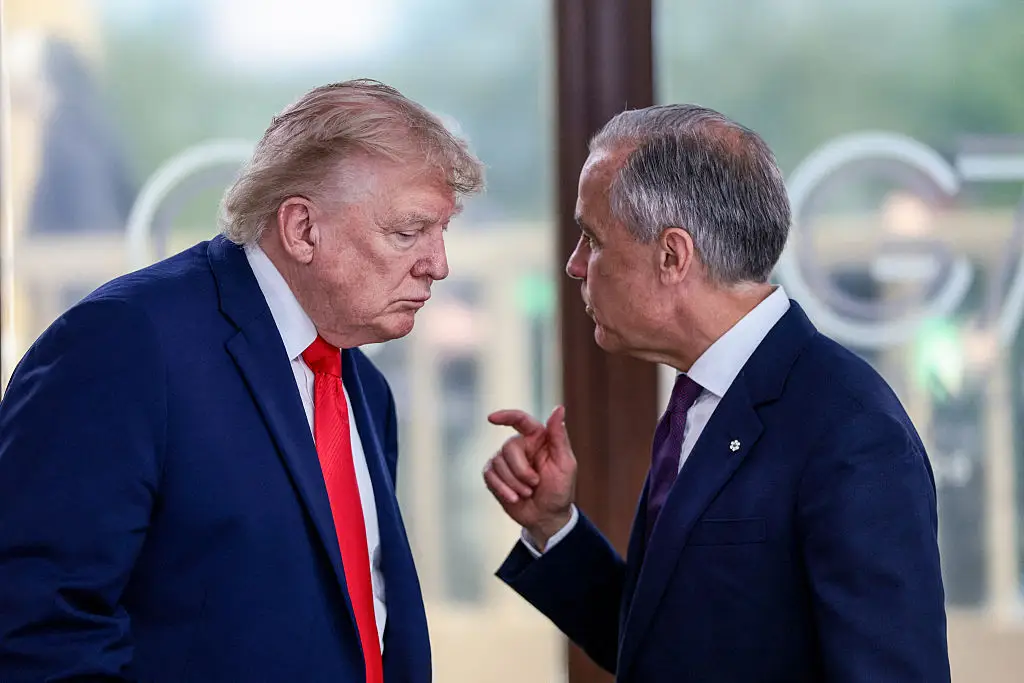 Canadian Prime Minister Mark Carney suspended trade negotiations with the US after saying Washington's latest proposals were 'unfair' and 'uneconomic.' (Photo by Evelyn Hockstein / POOL / AFP via Getty Images)
The BBC reported that the two countries had been engaged in intense negotiations since July, after Trump threatened to impose a 50% levy on almost $20 billion worth of Canadian imports.
Trump had temporarily paused those tariffs earlier this week, saying the US and Canada were close to reaching a deal that would be 'very good' for both countries.
But the negotiations fell apart shortly before a Friday night deadline.
Canadian Prime Minister Mark Carney said 'important progress' had been made, but it was 'not enough to meet our objectives for Canadians.'
"As a result, this evening, I have decided to suspend trade negotiations with the US and have directed negotiators to return to Ottawa," Carney said.
He described last-minute changes to the US proposals as 'unfair" and 'uneconomic' and said they called into question the reliability of any potential agreement.
US Trade Representative Jamieson Greer offered a different account, saying Canada had declined to finalize a deal under terms agreed earlier in the week.
Before the talks collapsed, negotiators had reportedly been discussing a deal that would have reduced US tariffs on Canadian steel and aluminum from 50% to 25%, while lowering tariffs on Canadian autos from 25% to 15%.
In exchange, Carney had asked Canadian provinces to restore US alcohol products to store shelves.
What goods are affected by Trump's new Canada tariffs?
The new US tariffs affect a range of Canadian goods including wine, dairy, cement, clothing and hockey equipment, accounting for around 5% of Canada's exports.
They come on top of existing tariffs on Canadian steel, aluminum, automobiles and lumber.
Canada is particularly exposed to the dispute because approximately 70% of its exports are sent south to the US.
The two countries have one of the world's most deeply integrated trading relationships.
Carney has said Canada will respond with reciprocal tariffs on US goods 'dollar for dollar.'
Ontario Premier Doug Ford has backed the approach, saying: "The prime minister has my full support for a strong response - tariff for tariff, dollar for dollar."
Trump, meanwhile, ended his Truth Social post by declaring: "WE DON'T NEED CANADA, THEY NEED US!"
Featured Image Credit: Win McNamee/Getty ImagesTopics: Donald Trump, Mark Carney, Canada, US News
The new US tariffs affect a range of Canadian goods including wine, dairy, cement, clothing and hockey equipment, accounting for around 5% of Canada's exports.
They come on top of existing tariffs on Canadian steel, aluminum, automobiles and lumber.
Canada is particularly exposed to the dispute because approximately 70% of its exports are sent south to the US.
The two countries have one of the world's most deeply integrated trading relationships.
Carney has said Canada will respond with reciprocal tariffs on US goods 'dollar for dollar.'
Ontario Premier Doug Ford has backed the approach, saying: "The prime minister has my full support for a strong response - tariff for tariff, dollar for dollar."
Trump, meanwhile, ended his Truth Social post by declaring: "WE DON'T NEED CANADA, THEY NEED US!"
Topics: Donald Trump, Mark Carney, Canada, US News
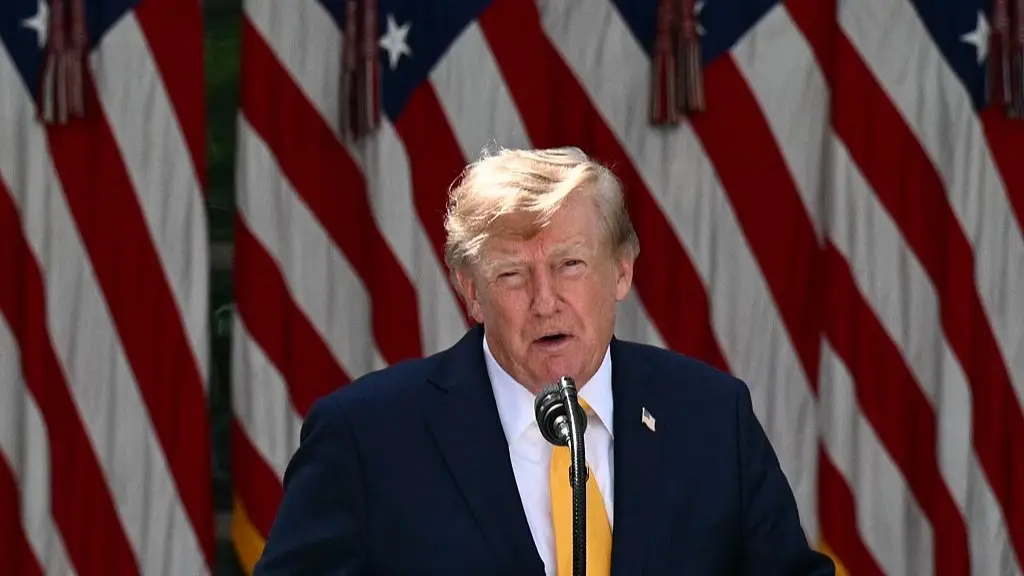
Trump's tariff war with Canada has 'lots of parallels' with the Great Depression, expert warns
An expert has warned of 'lots of parallels' between Trump's ongoing spat with Canada and the triggers of the Great Depression as he laid out two potential ways that the trade tensions could affect ordinary people.
Relations between Donald Trump's administration and Canada have become increasingly strained after Trump threatened to impose a 50 percent tariff on Canadian goods worth $20 billion.
Canada has responded by threatening to impose matching tariffs of its own on certain US goods being imported into the country.
Canadian Prime Minster Mark Carney told Canadians: "You're at war when you're attacked, and we got attacked. We're going to hit back."
Meanwhile Trump has taken to his account on Truth Social, accusing Canada of 'ripping off the United States for years' and being 'entitled', and writing: "WE DON'T NEED CANADA, THEY NEED US!"
Ontario's premier Doug Ford had a blunt message for Trump, telling the US president to 'kiss my a**', and warning that that Canada could shut off the electricity supply to some 1.5 million homes and businesses in the US, saying that Trump 'better have a pack of batteries'.
But how could this situation affect ordinary people?
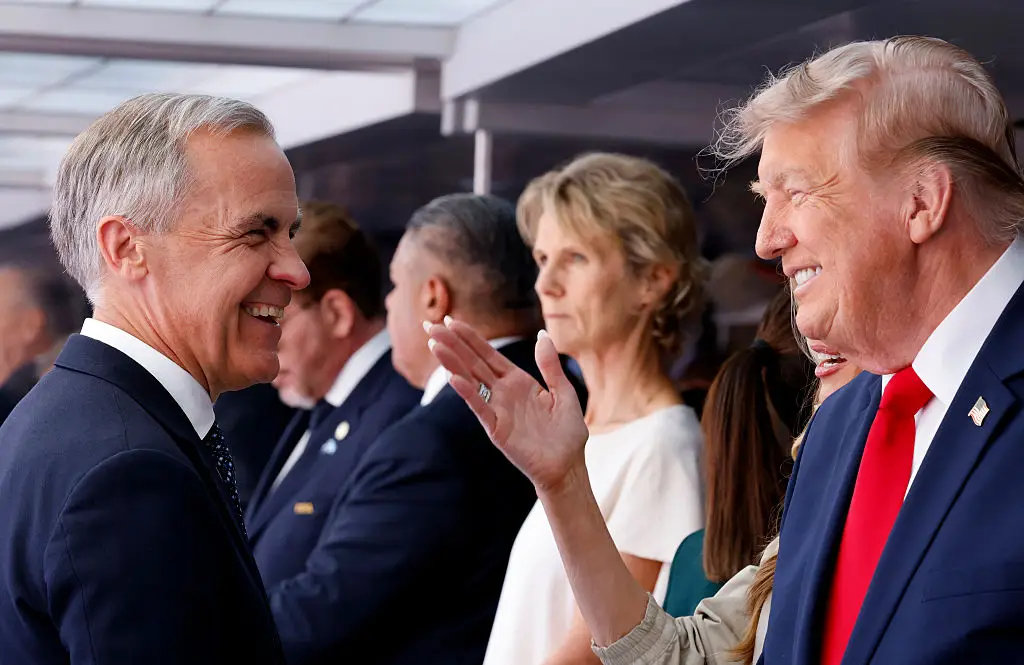 Donald Trump and Mark Carney (Eva Marie Uzcategui - FIFA/FIFA via Getty Images)
Dr Eric Golson is an economic warfare specialist and Associate Professor of Economics at the University of Surrey, and shared two theories of how the situation could play out.
"There are two ways of looking at this mess," Dr Golson told UNILAD. "The first - we are entering a trade spiral, where hard-nosed adversaries (who were once very good friends) will keep adding tariffs to each others' products, with trade volumes ultimately significantly reduced."
Effectively, this means that they will continue to escalate.
"They will keep retaliating upon each other in a cycle, raising the cost of consumer goods," said Dr Golson, who went on to warn of the potentially catastrophic economic impact this may have.
"One of the triggers of the Great Depression was a high American tariff with close trading partners which set off a trade war; there are lots of parallels here with a global economy which already feels very shaky," he said.
There is also another option, which is that things do not spiral out of control in this way.
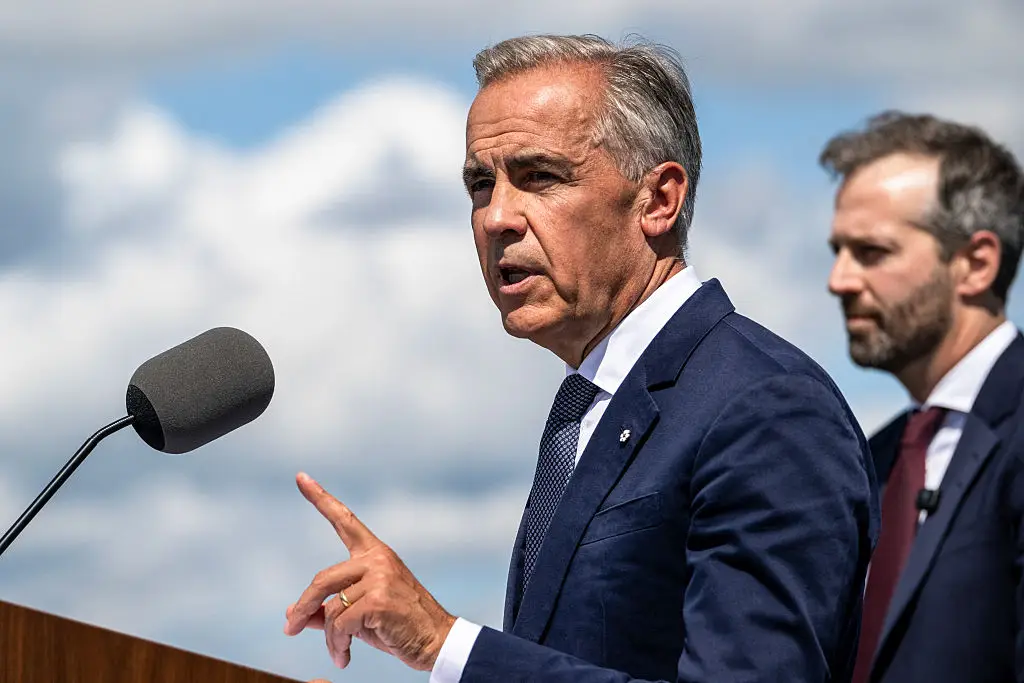 Canadian Prime Minister Mark Carney (ANDREJ IVANOV / AFP via Getty Images)
"I think everyone is expecting Trump will back down," he said, pointing out that there is a very good reason why Trump may not want prices rising at this particular moment - the midterms.
"Faced with midterms, a lot of bad press and a view by most Americans that the trade war is only raising their prices, Trump will likely choose to back down with the Canadians and claim it as a win to lower consumer prices," said Dr Golson.
"American businesses with integrated production lines with Canada are already lobbying heavily. The problem with Trump backing down is this precisely that everyone is expecting - and so that might actually weaken the possibility it will occur because Trump will not want to be labelled as TACOing out in the election cycle."
'TACO' is an acronym used by some to describe Trump making strong and bold statements, before backing out, meaning 'Trump Always Chickens Out'.
"So, it could be very difficult to backdown," said Dr Golson. "Only time will tell whether they will backdown."
Featured Image Credit: Jim WATSON / AFP via Getty ImagesTopics: US News, Canada, Donald Trump, Mark Carney
An expert has warned of 'lots of parallels' between Trump's ongoing spat with Canada and the triggers of the Great Depression as he laid out two potential ways that the trade tensions could affect ordinary people.
Relations between Donald Trump's administration and Canada have become increasingly strained after Trump threatened to impose a 50 percent tariff on Canadian goods worth $20 billion.
Canada has responded by threatening to impose matching tariffs of its own on certain US goods being imported into the country.
Canadian Prime Minster Mark Carney told Canadians: "You're at war when you're attacked, and we got attacked. We're going to hit back."
Meanwhile Trump has taken to his account on Truth Social, accusing Canada of 'ripping off the United States for years' and being 'entitled', and writing: "WE DON'T NEED CANADA, THEY NEED US!"
Ontario's premier Doug Ford had a blunt message for Trump, telling the US president to 'kiss my a**', and warning that that Canada could shut off the electricity supply to some 1.5 million homes and businesses in the US, saying that Trump 'better have a pack of batteries'.
But how could this situation affect ordinary people?
Dr Eric Golson is an economic warfare specialist and Associate Professor of Economics at the University of Surrey, and shared two theories of how the situation could play out.
"There are two ways of looking at this mess," Dr Golson told UNILAD. "The first - we are entering a trade spiral, where hard-nosed adversaries (who were once very good friends) will keep adding tariffs to each others' products, with trade volumes ultimately significantly reduced."
Effectively, this means that they will continue to escalate.
"They will keep retaliating upon each other in a cycle, raising the cost of consumer goods," said Dr Golson, who went on to warn of the potentially catastrophic economic impact this may have.
"One of the triggers of the Great Depression was a high American tariff with close trading partners which set off a trade war; there are lots of parallels here with a global economy which already feels very shaky," he said.
There is also another option, which is that things do not spiral out of control in this way.
"I think everyone is expecting Trump will back down," he said, pointing out that there is a very good reason why Trump may not want prices rising at this particular moment - the midterms.
"Faced with midterms, a lot of bad press and a view by most Americans that the trade war is only raising their prices, Trump will likely choose to back down with the Canadians and claim it as a win to lower consumer prices," said Dr Golson.
"American businesses with integrated production lines with Canada are already lobbying heavily. The problem with Trump backing down is this precisely that everyone is expecting - and so that might actually weaken the possibility it will occur because Trump will not want to be labelled as TACOing out in the election cycle."
'TACO' is an acronym used by some to describe Trump making strong and bold statements, before backing out, meaning 'Trump Always Chickens Out'.
"So, it could be very difficult to backdown," said Dr Golson. "Only time will tell whether they will backdown."
Topics: US News, Canada, Donald Trump, Mark Carney
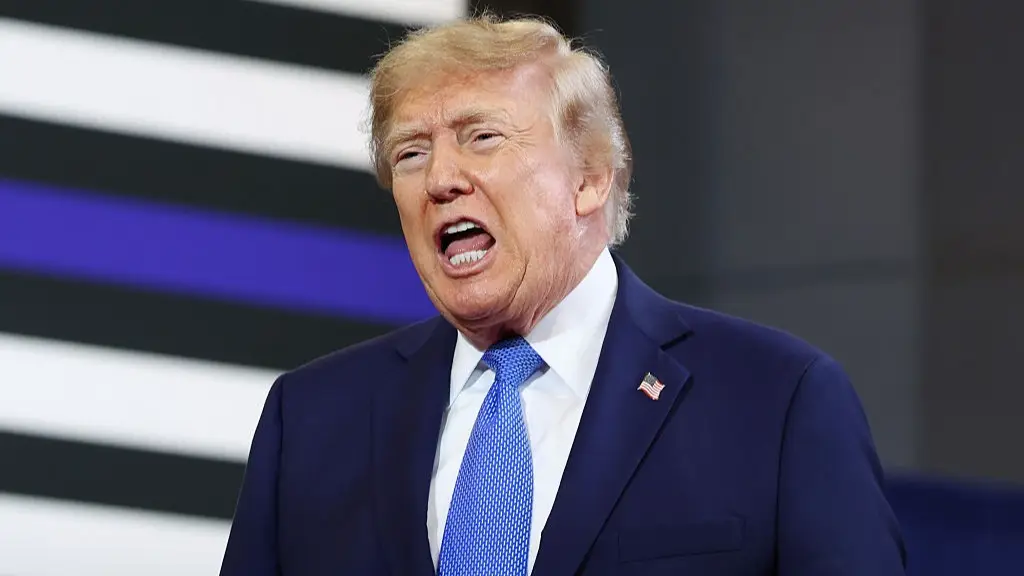
Trump threatens to rename Canada's Lake Ontario as trade war spat escalates
Donald Trump has said that he is thinking about renaming Lake Ontario 'Lake America' amid mounting tensions between the US and Canada.
The lake straddles the border between the US and Canada, with the Canadian state of Ontario to the north and New York to the south. Management of the lake has been government by the Boundary Waters Treaty, which was established in 1909, and it is overseen by both countries, with neither controlling it outright.
Taking to Truth Social as trade relations between Canada and its southern neighbour continue to deteriorate, Trump ranted: "The United States is giving serious consideration to changing the name of Lake Ontario to Lake America in that we don’t expect to doing much business with Ontario any longer. Thank you for your attention to this matter!"
If renamed, this would require US federal agencies to refer to Lake Ontario as 'Lake America', though Canada would not be under any obligation to recognize this name.
The spat has come amid an ongoing confrontation between Canada and the Trump administration after Trump imposed tariffs of 50 percent on Canadian good worth around $20 billion.
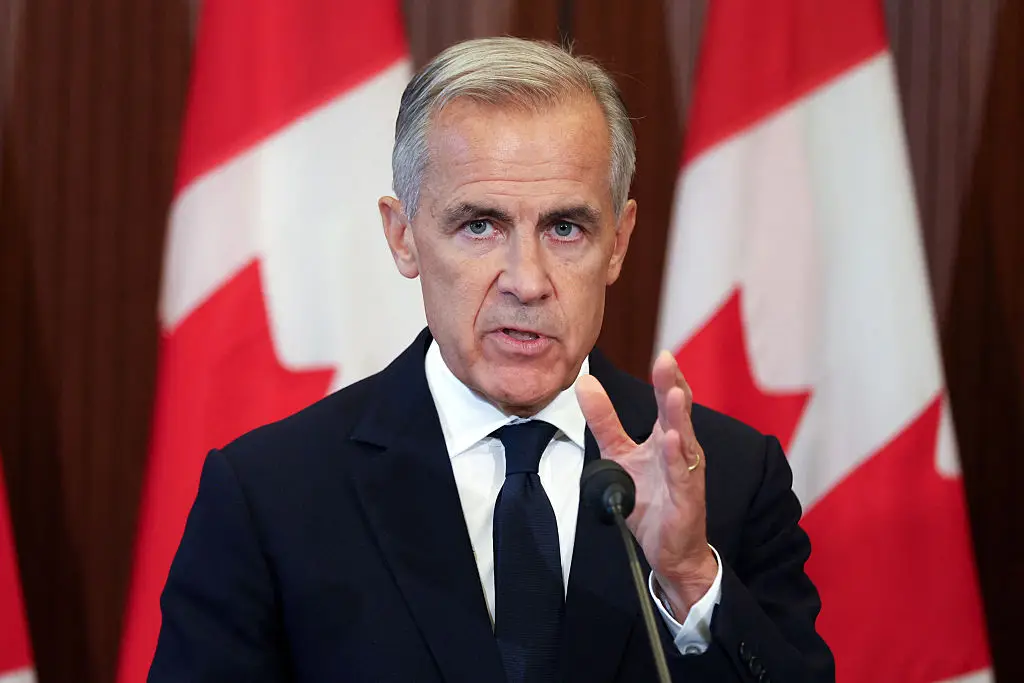 Canadian Prime Minister Mark Carney (Dave Chan / AFP via Getty Images)
Ottawa responded by imposing matching tariffs on US goods including steel and electronics among others, with Trump then threatening to impose further tariffs on Canadian auto-parts and vehicles in retaliation.
In a further post shared to Truth Social, Trump also accused Canadian Prime Minister Mark Carney of lying about Trump making 'threats' towards French-language protections in Quebec.
"I would never interfere with Canadians speaking French!" Trump wrote. "In fact, I have never even thought of doing such a stupid thing.
"This lie was made up by a weak and ineffective Prime Minister in an attempt to gain political support, which he has totally lost, from the people of Quebec. I love French Canadians!"
As tensions increase, Trump has also made further threats, telling Canada that it must 'fall in line' or he will take measures 'far WORSE' than the tariffs.
In Canada in addition to tariffs on US goods, Carney has announced support packages for Canadian workers and businesses impacted by Trump's tariffs.
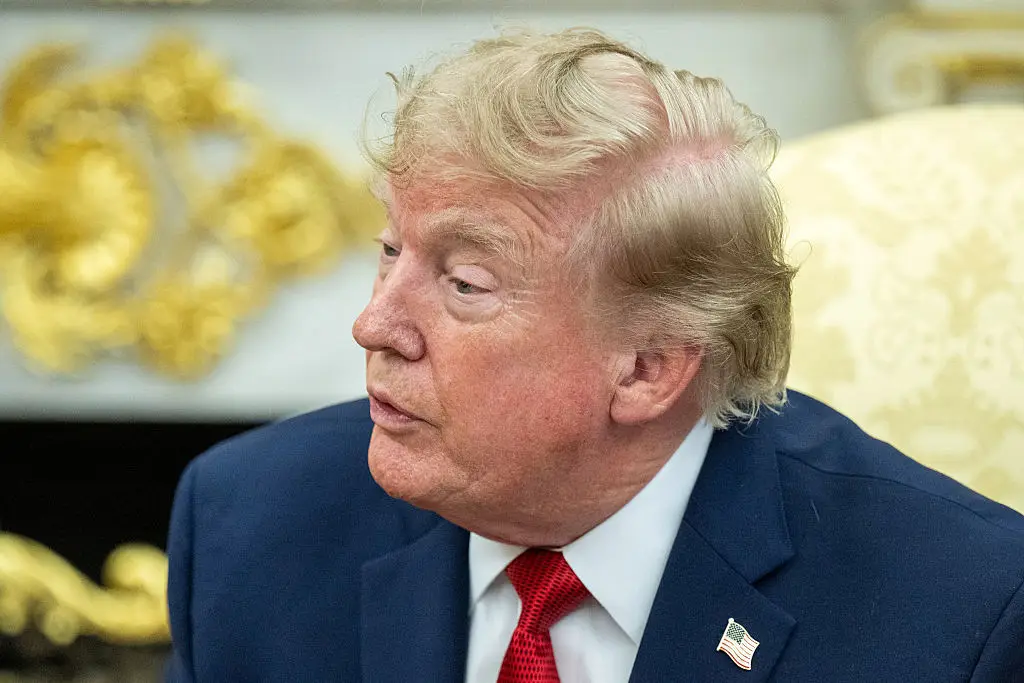 Trump threatened to rename Lake Ontario (Dave Chan / AFP via Getty Images)
Meanwhile, the premier of Ontario Doug Ford has highlighted that electricity produced in Ontario supplies some 1.5 million homes and businesses in the US. Ford warned that this supply could be cut off, saying that Trump 'better have a pack of batteries', as well as supplies of minerals, telling Trump to 'kiss my a**'.
Carny told Canadians: "You're at war when you're attacked, and we got attacked. We're going to hit back."
Trump has accused Canada of 'ripping off the United States for years' and being 'entitled', writing: "WE DON'T NEED CANADA, THEY NEED US!"
This is also not the first time that Trump has gotten into an international dispute over the name of a body of water.
The US president previously announced that the Gulf of Mexico, which has been referred to by its name for hundreds of years, as the 'Gulf of America'.
Despite some US firms voluntarily adopting Trump's name, the decision was met with a dry response from Mexican president Claudia Sheinbaum, who offered her own suggestion that North America be renamed 'América Mexicana' (Mexican America), citing an official document form 1814 which referred to the continent with that name.
Donald Trump has said that he is thinking about renaming Lake Ontario 'Lake America' amid mounting tensions between the US and Canada.
The lake straddles the border between the US and Canada, with the Canadian state of Ontario to the north and New York to the south. Management of the lake has been government by the Boundary Waters Treaty, which was established in 1909, and it is overseen by both countries, with neither controlling it outright.
Taking to Truth Social as trade relations between Canada and its southern neighbour continue to deteriorate, Trump ranted: "The United States is giving serious consideration to changing the name of Lake Ontario to Lake America in that we don’t expect to doing much business with Ontario any longer. Thank you for your attention to this matter!"
If renamed, this would require US federal agencies to refer to Lake Ontario as 'Lake America', though Canada would not be under any obligation to recognize this name.
The spat has come amid an ongoing confrontation between Canada and the Trump administration after Trump imposed tariffs of 50 percent on Canadian good worth around $20 billion.
Ottawa responded by imposing matching tariffs on US goods including steel and electronics among others, with Trump then threatening to impose further tariffs on Canadian auto-parts and vehicles in retaliation.
In a further post shared to Truth Social, Trump also accused Canadian Prime Minister Mark Carney of lying about Trump making 'threats' towards French-language protections in Quebec.
"I would never interfere with Canadians speaking French!" Trump wrote. "In fact, I have never even thought of doing such a stupid thing.
"This lie was made up by a weak and ineffective Prime Minister in an attempt to gain political support, which he has totally lost, from the people of Quebec. I love French Canadians!"
As tensions increase, Trump has also made further threats, telling Canada that it must 'fall in line' or he will take measures 'far WORSE' than the tariffs.
In Canada in addition to tariffs on US goods, Carney has announced support packages for Canadian workers and businesses impacted by Trump's tariffs.
Meanwhile, the premier of Ontario Doug Ford has highlighted that electricity produced in Ontario supplies some 1.5 million homes and businesses in the US. Ford warned that this supply could be cut off, saying that Trump 'better have a pack of batteries', as well as supplies of minerals, telling Trump to 'kiss my a**'.
Carny told Canadians: "You're at war when you're attacked, and we got attacked. We're going to hit back."
Trump has accused Canada of 'ripping off the United States for years' and being 'entitled', writing: "WE DON'T NEED CANADA, THEY NEED US!"
This is also not the first time that Trump has gotten into an international dispute over the name of a body of water.
The US president previously announced that the Gulf of Mexico, which has been referred to by its name for hundreds of years, as the 'Gulf of America'.
Despite some US firms voluntarily adopting Trump's name, the decision was met with a dry response from Mexican president Claudia Sheinbaum, who offered her own suggestion that North America be renamed 'América Mexicana' (Mexican America), citing an official document form 1814 which referred to the continent with that name.


0 comments:
Enregistrer un commentaire